Introduction: Changing Dynamics in Education
The evolution of digital technology has reshaped nearly every industry, and education is no exception. Remote learning, once considered an alternative option, has now become a core part of modern education. The global shift towards online platforms, accelerated by the COVID-19 pandemic, has raised new questions about how students maintain motivation and how teachers adapt to changing demands. Understanding these aspects is critical for sustaining educational success in the modern era.
Student Motivation in the Age of Remote Learning
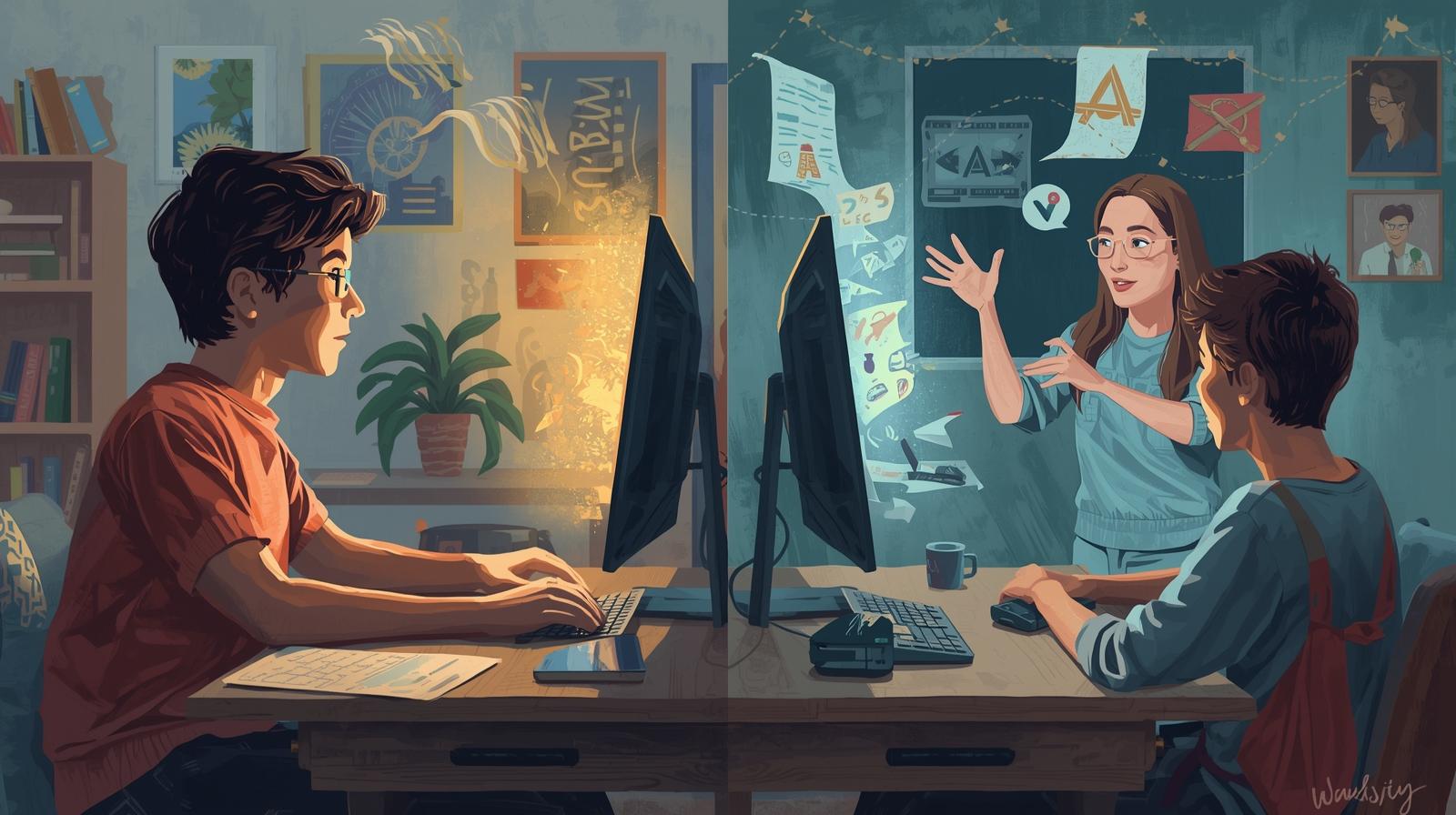
One of the most significant challenges posed by remote learning is maintaining Student Motivation and Teacher Adaptability. Traditional classrooms offer physical interaction, group activities, and face-to-face encouragement, which often keep learners engaged. In contrast, online environments can foster feelings of isolation, reducing motivation over time. Students who thrive in structured, interactive settings may find it difficult to stay attentive in a digital classroom where distractions are only a click away. Furthermore, the absence of immediate feedback from teachers and peers may discourage active participation, lowering enthusiasm and persistence.
The Role of Self-Discipline and Autonomy
Despite its challenges, remote learning has also cultivated essential skills such as self-discipline and autonomy. Students must learn to manage their time, set goals, and take responsibility for their education more than ever before. These qualities are valuable beyond the academic setting, as they prepare learners for real-world problem-solving and independent work. However, not every student adjusts easily, as motivation often declines without consistent guidance and interactive engagement from instructors. This highlights the need for supportive strategies tailored to online environments.
Teacher Adaptability and the Shift to Online Platforms
Teachers have faced the challenge of adapting traditional methods into digital frameworks. While some educators quickly embraced new tools such as video conferencing, interactive whiteboards, and learning management systems, others struggled with the steep learning curve. Adaptability has become a hallmark of effective teaching in modern times, as instructors must balance content delivery with technological fluency. Beyond mastering tools, teachers also need to rethink pedagogy—designing lessons that promote engagement, critical thinking, and collaboration even in a remote format.
Balancing Technology with Human Connection
Though technology enables global access to knowledge, it cannot fully replace human interaction. Teachers must bridge the gap by finding creative ways to maintain connections with their students. Personalized feedback, interactive quizzes, and virtual group projects are some strategies that keep learners involved. Additionally, establishing a strong sense of community within online classrooms helps reduce isolation and encourages motivation. The adaptability of teachers is measured not just by their ability to use tools but also by their capacity to recreate a supportive learning environment digitally.
The Long-Term Implications for Education
Remote learning has left a lasting mark on global education systems. While some institutions are returning to in-person teaching, the flexibility of online learning continues to influence curriculum design. Hybrid models, combining classroom and remote instruction, are becoming more common, providing students with both structured interaction and flexible learning opportunities. These models may represent the future of education, where adaptability and motivation are essential elements for both students and teachers.
Conclusion: Shaping the Future of Learning
The impact of remote learning on student motivation and teacher adaptability demonstrates the evolving nature of education in modern times. Students must cultivate independence while teachers embrace innovative methods to keep learners engaged. The lessons learned from remote education will continue to shape how knowledge is shared, emphasizing the need for flexibility, creativity, and resilience in teaching and learning. As global education systems advance, striking the right balance between technology and human connection will remain the cornerstone of academic success.